Research
We study bioaerosols, airborne allergens, microbes, and toxins, and how they drive allergic disease, immune dysregulation, and infection risk once inhaled. Our work moves through three connected questions: what's actually in the air (exposure characterization, whether sampled from real workplaces or recreated in a controlled aerosol chamber), what that exposure does to the lungs and immune system (mechanism, at a molecular and physiological level), and what we can do to reduce it (engineering and chemical interventions). Together, these connect exposure to outcome to solution.
Cannabis is our current niche. What drives the work is bigger than that: we know surprisingly little about what's in the air people live and work around, and there are almost no exposure limits to use for reference. Most of what we do is figuring out what's actually in the air, and what it does to us.
1. What's in the Air: Exposure Characterization
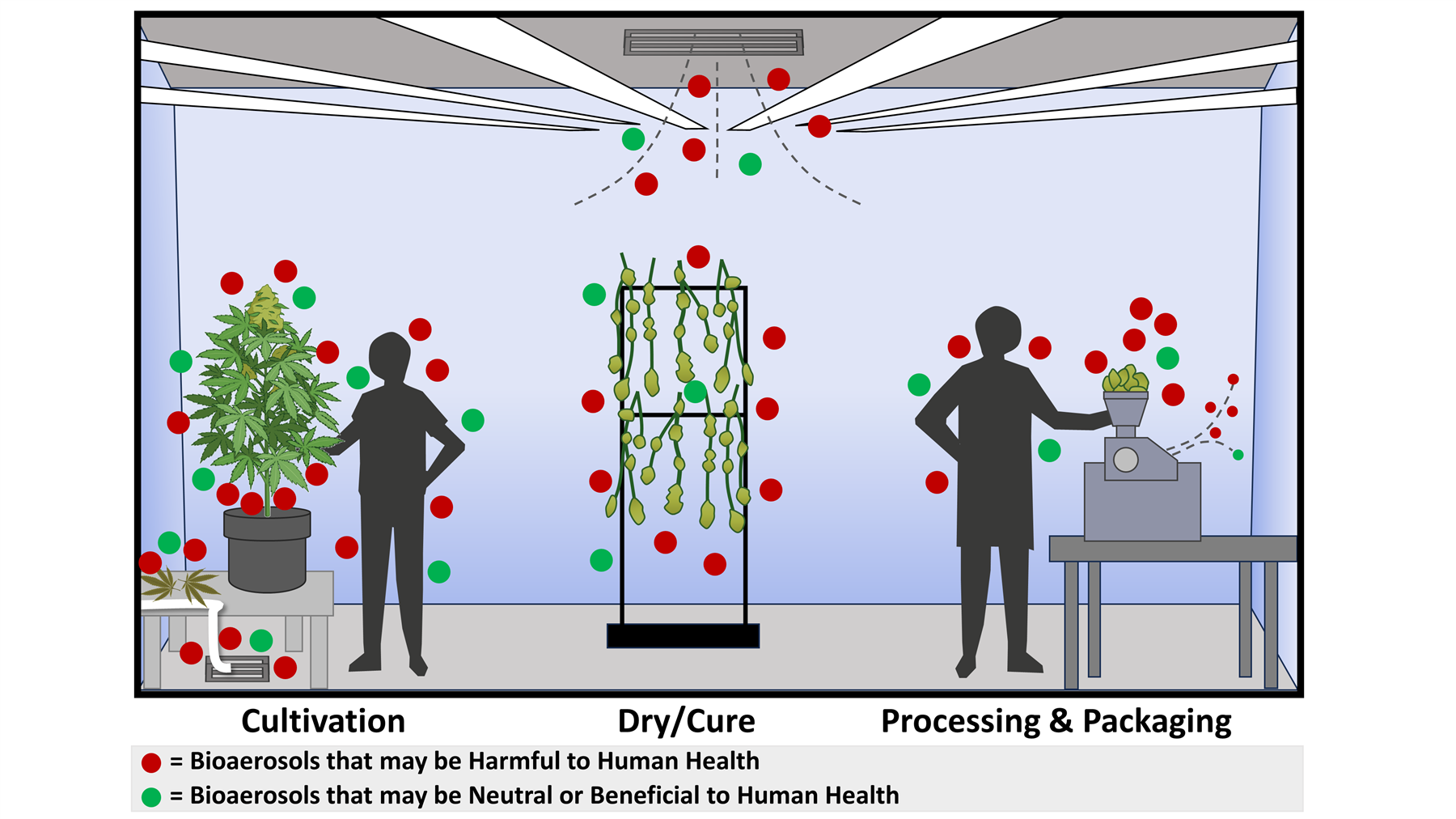
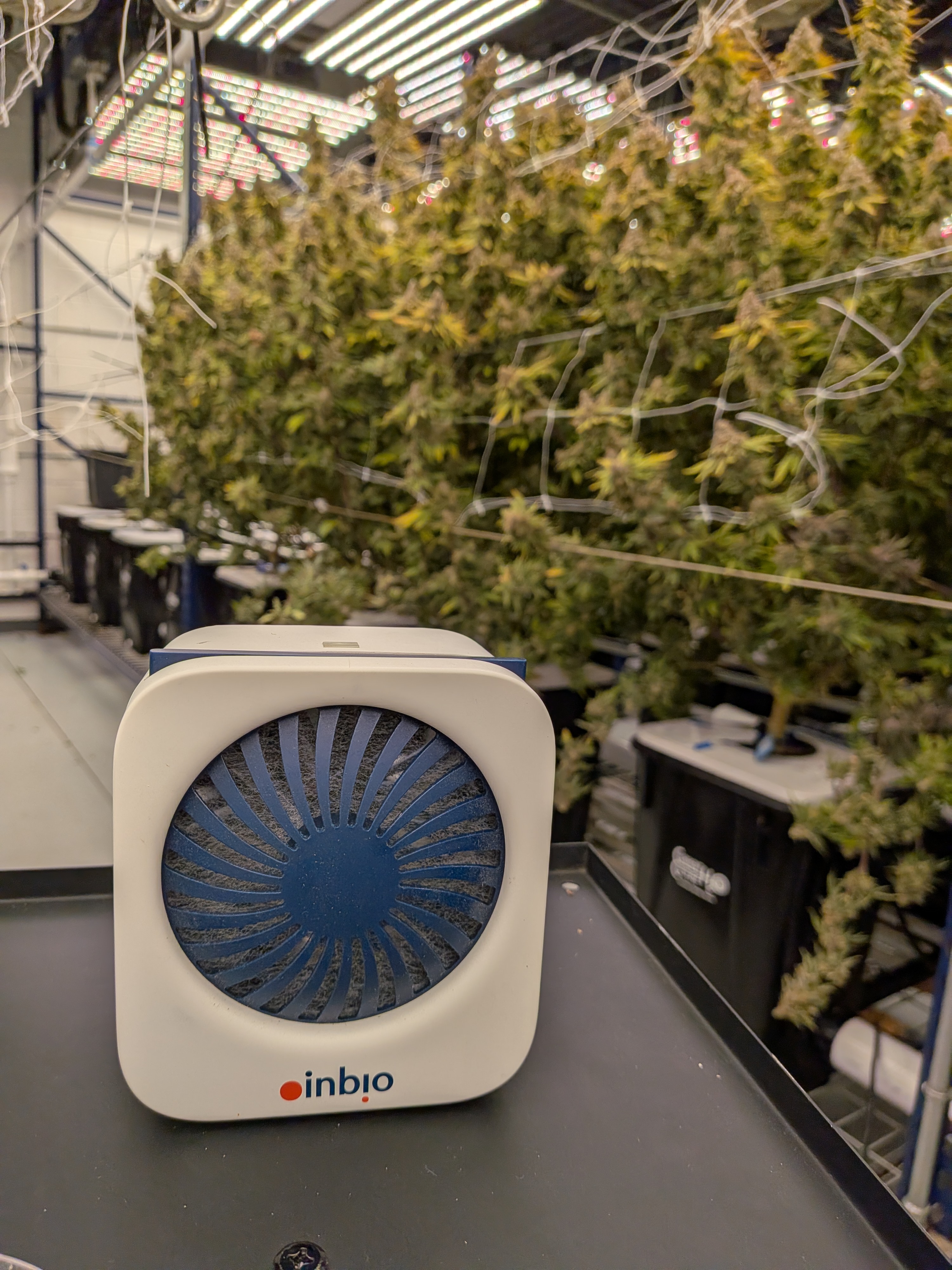
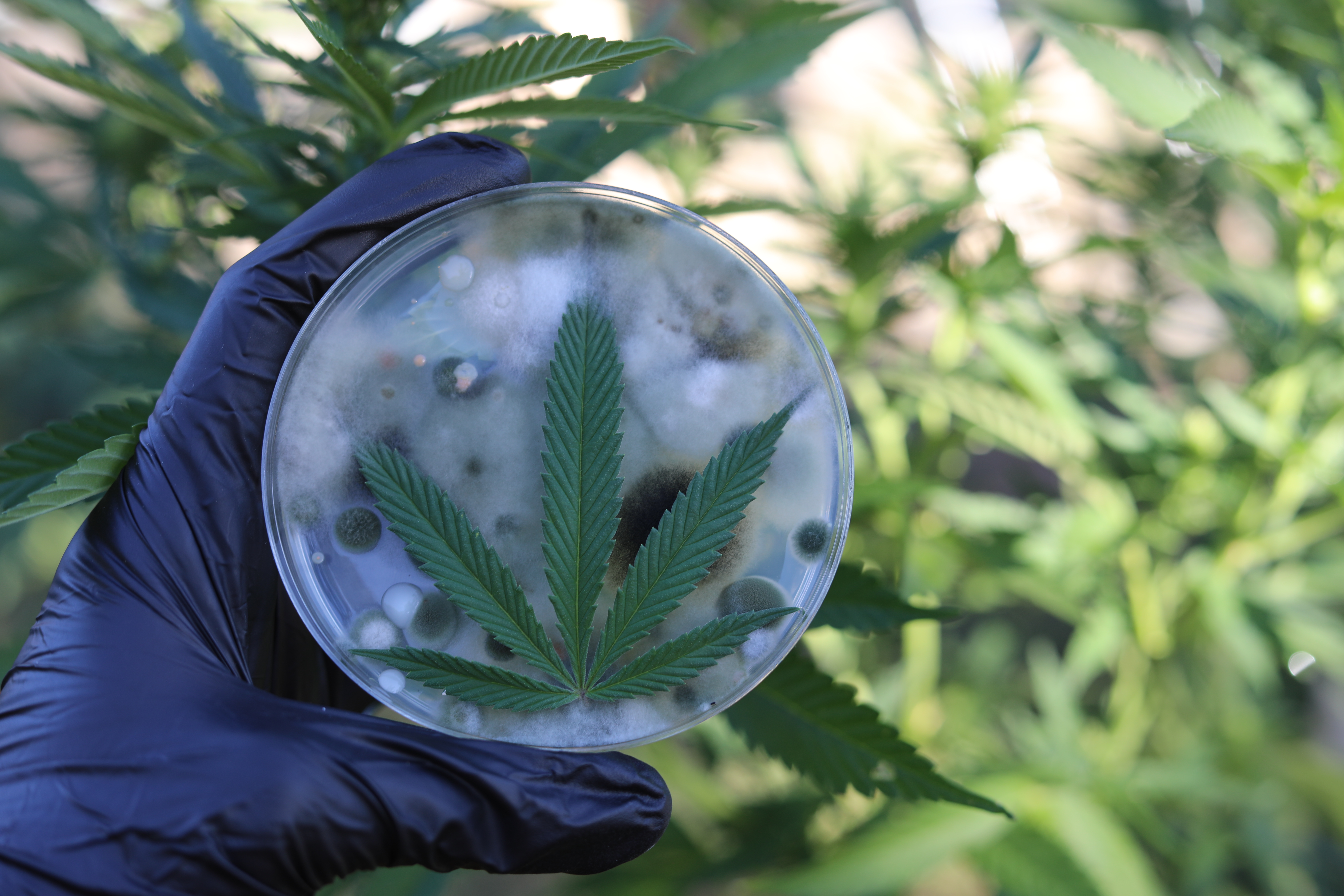
We run field campaigns in occupational environments, starting with cannabis cultivation and processing facilities, to quantify respirable dust, microbial load, endotoxin, and airborne allergens against the building conditions that drive them. Cannabis industry workers are chronically exposed to this complex mixture of bioaerosols, plant allergens, fungal spores, mycotoxins, and endotoxins, with almost no existing characterization of what that exposure actually looks like.
2. What It Does to Us: Mechanism and Disease Risk
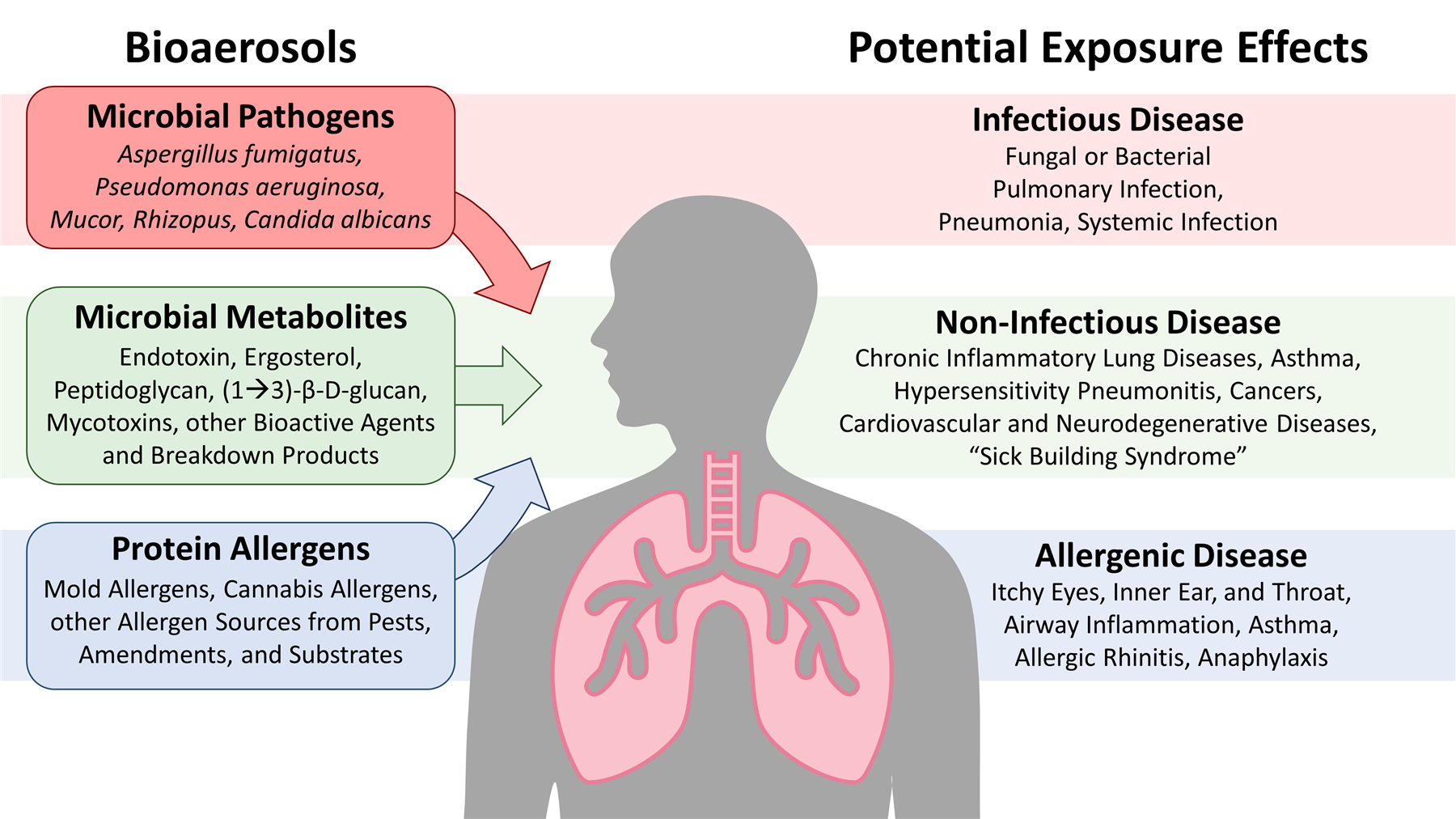
Our R01 investigates how that exposure translates into disease, across three aims: how cannabis dust and purified allergens activate immune responses in human airway cells; whether repeated exposure drives allergic sensitization and airway hyperresponsiveness in a mouse model; and whether cannabis dust exposure increases susceptibility to Aspergillus fumigatus infection, a WHO Critical Priority Fungal Pathogen and common cannabis-facility contaminant. We study how airborne conidia, allergens, and mycotoxins interact with lung cells to drive both sensitization and infection risk.
3. What We Can Do About It: Interventions and Engineering Controls
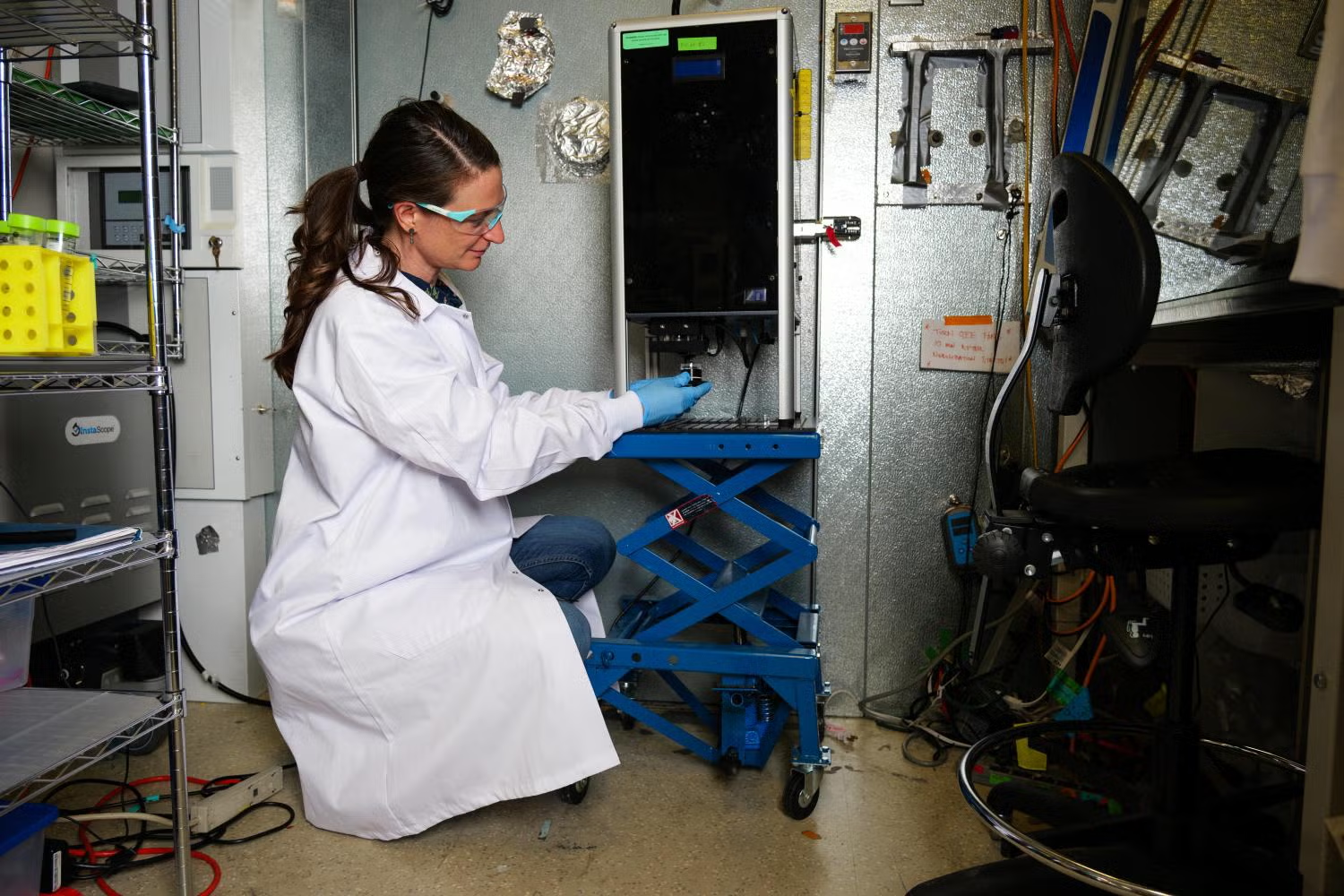
Using a controlled aerosol chamber, we test traditional IAQ aeroallergen interventions and evaluate their structural and immunological effects with circular dichroism spectroscopy, PAGE, and IgE-binding assays using human serum. This work has shown that 222 nm far-UVC irradiation and a commercial lactic acid-based air spray both disrupt airborne allergen structure and reduce IgE binding, not just particle counts, turning molecular findings into practical, deployable interventions.
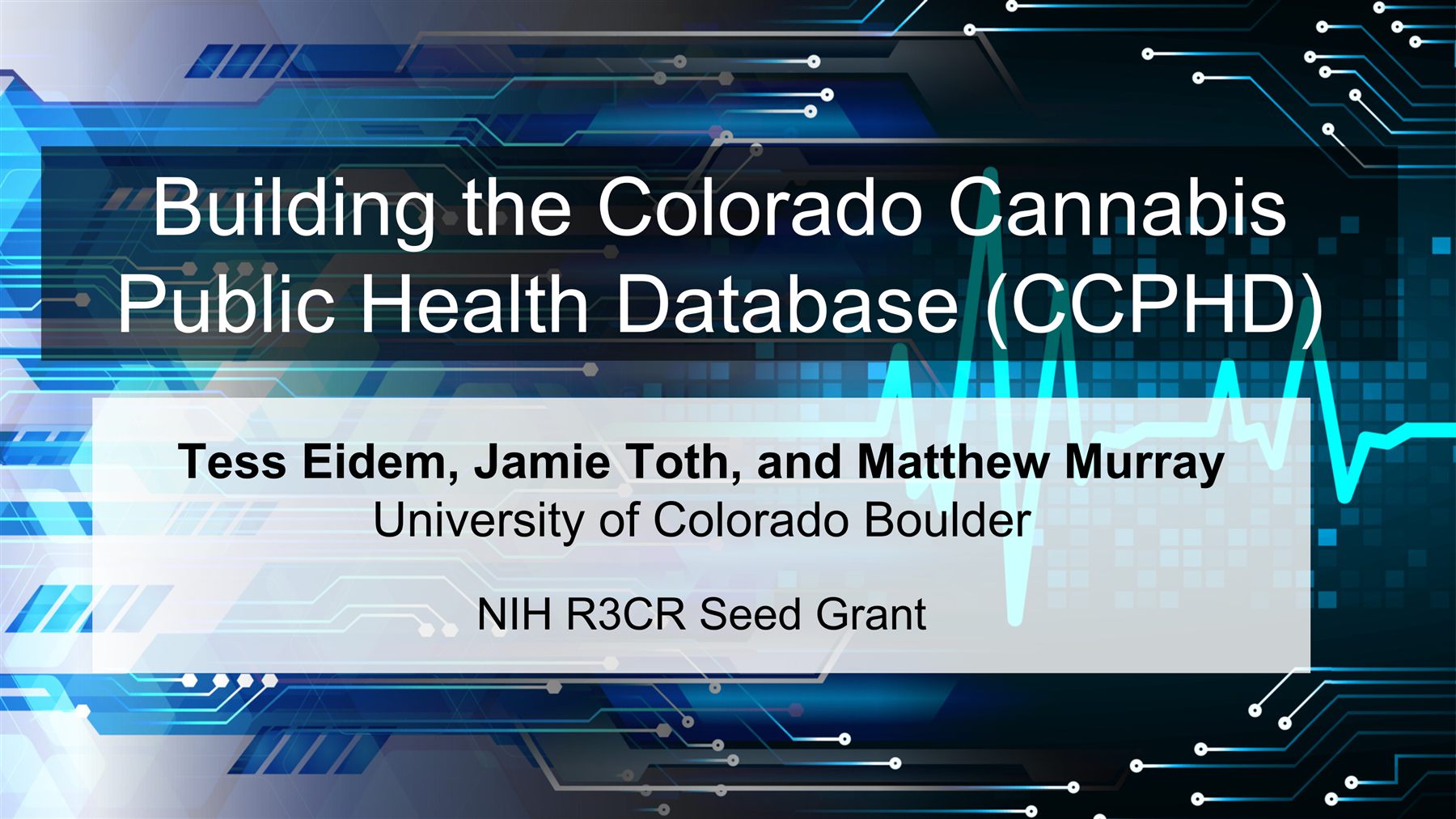
4. Public Health and Policy: The Colorado Cannabis Public Health Database
Our NIH R3CR-funded work compiles public health, safety, regulatory, and occupational cannabis data from multiple sources, including the Colorado Department of Public Health and Environment (CDPHE), into a single standardized, de-identified public database, connecting our lab-bench work to real-world surveillance, regulatory data, and consumer protection.
5. Emerging Directions: Broader Bioaerosol Hazards and Consumption Exposure
Beyond our funded work, we're pursuing additional lines of inquiry into other under-characterized biological inhalation hazards in cannabis production and consumption:
- Untested mycotoxins in cannabis - mycotoxin contamination of cannabis flower and what that means for airway health
- Endotoxins and fungal beta-glucans - largely unregulated, microbially derived bioaerosol components relevant to indoor air quality and other exposure settings more broadly, not just cannabis
- Smoking and vaporization characterization - whether pathogens, toxins, and allergens survive combustion or vaporization of contaminated cannabis flower, and their downstream effects on lung tissue
- Clinical translation - working with medical centers to extend our mechanistic and exposure-characterization work toward clinically actionable diagnostic and policy evidence for cannabis worker respiratory health
Funded by the National Institutes of Health (NHLBI, NIH R3CR); emerging directions above reflect submitted proposals and active research development.
Research reported in this website was supported by the National Heart, Lung, and Blood Institute of the National Institutes of Health under award number R01HL180509. The content is solely the responsibility of the author and does not necessarily represent the official views of the National Institutes of Health.
The Colorado Cannabis Public Health Database (CCPHD) is supported by the National Center for Complementary and Integrative Health of the National Institutes of Health under award number U24AT013161, through the Resource Center for Cannabis and Cannabinoid Research (R3CR) at the University of Mississippi. The content is solely the responsibility of the author and does not necessarily represent the official views of the National Institutes of Health.